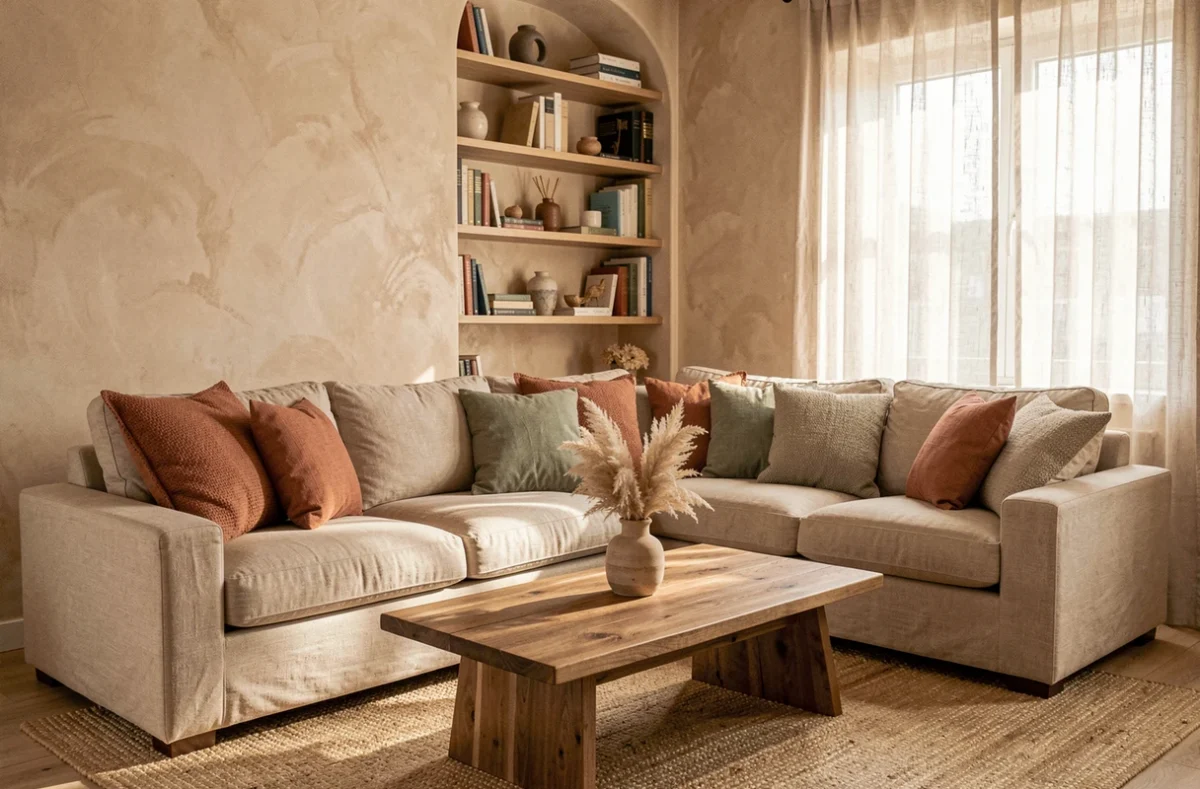
A velvet sofa, scented candles, a wool throw draped over the armrest: it’s easy to picture a cosy room, but we often forget what these things release into the air once the windows are closed.
Creating a warm, elegant home with thoughtful decor also means balancing visual comfort with the air we breathe every day. New furniture, dyed textiles and paraffin candles release volatile compounds that build up in poorly ventilated rooms. But it’s possible to have both without compromising on style.
Warm decor and indoor air quality: what’s really at stake
When you bring a new piece of furniture into the living room, the smell it gives off isn’t simply the smell of something “new”. Furniture, finishes and decorative objects can release volatile organic compounds, sometimes for several weeks. Candles and incense also contribute to indoor air pollution, making the room smell pleasant without necessarily being good for your lungs.
The A+ to C emissions label found on some building and decorating products does not cover furniture. An armchair, shelving unit or coffee table is exempt from this labelling, even though it can release as many pollutants as wall paint. It’s therefore worth assessing finishes and furniture separately, then ventilating properly after each new item is installed.
For inspiration on combining good looks with considered material choices, visit maisondezoe.fr, where you’ll find selections that take these practical considerations into account.
The most effective habit is simple: air out the room for at least ten minutes after bringing in new furniture, and keep doing so over the following days. Choosing natural oil- or wax-based finishes over synthetic varnishes also reduces pollutant levels without sacrificing the furniture’s elegance.
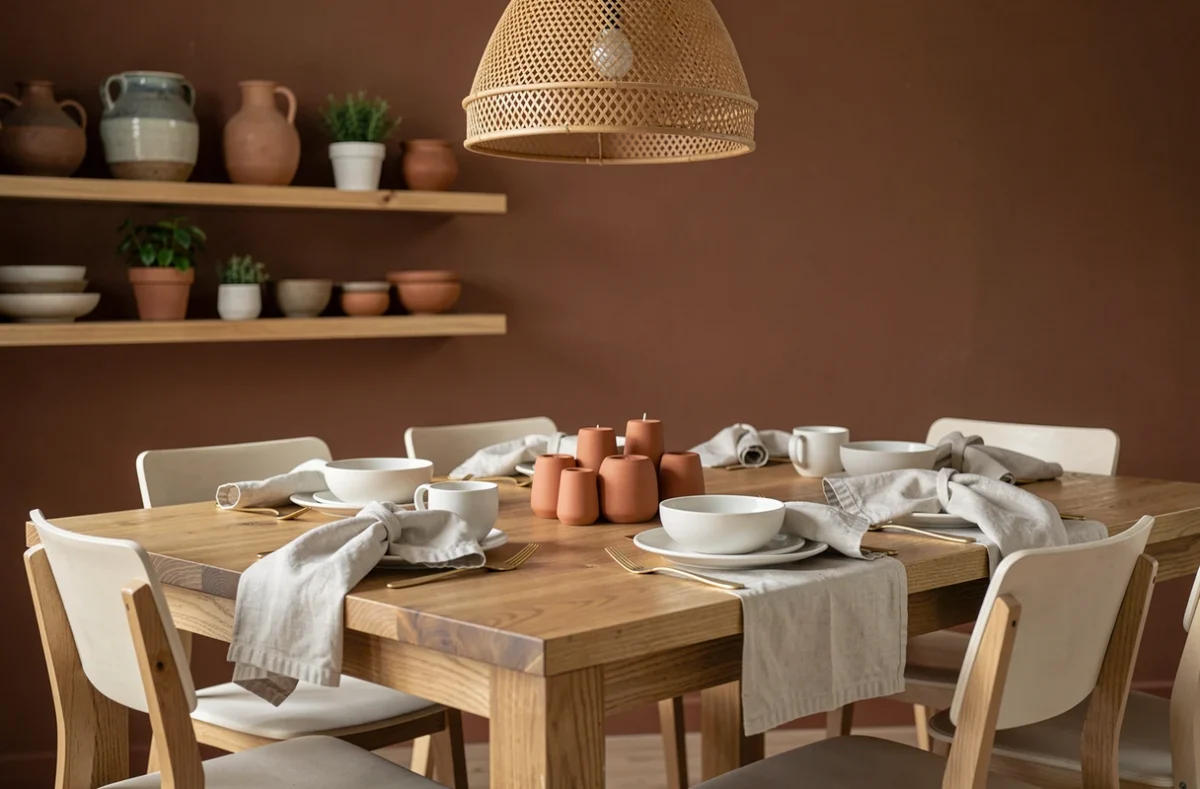
Decorative textiles: look beyond colour and texture
Cushions, curtains, throws, sofa covers: textiles are often the first things we add to make a room feel cosier. We choose them for their colour, drape and softness. But these products are covered by France’s REP scheme for furniture and furnishings, which means environmental information is provided about their life cycle, including recycled materials and recyclability. This offers a practical perspective: the end of a decorative textile’s life matters just as much as its appearance.
In practice, this changes the way we shop. A washed linen curtain, for example, combines a cosy texture with a dyeing process that generally uses fewer chemical compounds, and is more recyclable than a coated polyester curtain. The same applies to organic cotton that hasn’t been chlorine-bleached.
Practical criteria for choosing decorative textiles
- Composition: choose natural fibres (linen, cotton, wool) with a sufficiently dense weave to add volume without layering on synthetic fabrics
- Surface treatment: avoid stain-resistant treatments containing perfluorinated compounds, which release persistent substances into the air and onto the skin
- Care: machine-washable textiles that can be washed at low temperatures last longer and retain their appearance, while delicate fabrics are often replaced too soon
- Environmental labelling: check whether the product provides information about its recycled content, an indication that the manufacturer is part of the REP scheme
You don’t need to replace everything at once. Starting with textiles that come into direct contact with your skin (throws, cushion covers) has a greater impact than changing curtains you rarely touch.
Lighting and candles: create ambience without polluting the air
Lighting does half the work in a room. A single, cool-toned ceiling light can flatten all your decorating efforts. Adding several low-level light sources transforms an ordinary living room into a cosy space: a reading lamp, a warm-white LED string light and an adjustable floor lamp create areas of shadow that add depth.
Candles pose a real problem. Burning paraffin (a petroleum derivative) and releasing synthetic fragrances contribute to indoor air pollution. Candles made from plant-based wax (soy or rapeseed) with untreated cotton wicks release significantly fewer fine particles. The most straightforward alternative is an LED candle, which recreates a flickering glow without any emissions.
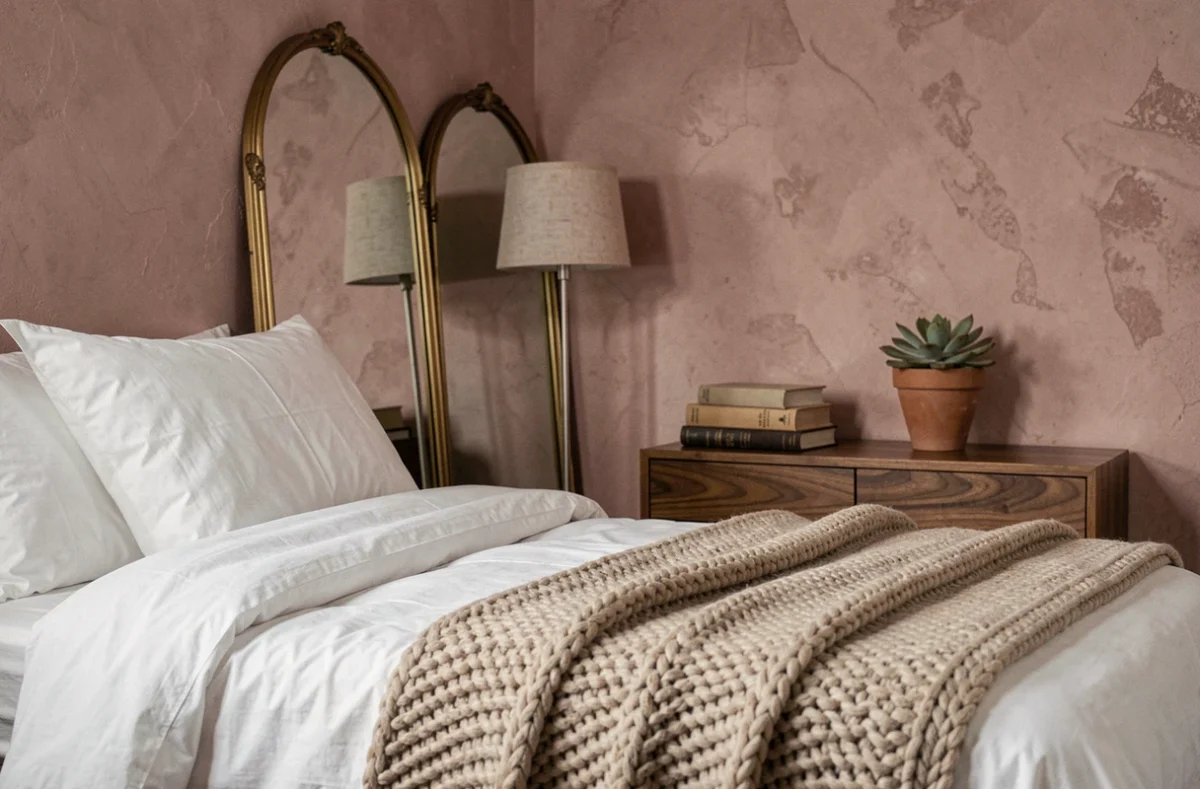
A practical approach for the living room
If you prefer real candles, limit their use to specific occasions (meals, evenings) and air out the room afterwards. Don’t light them in a closed bedroom where you’ll be sleeping. It’s not an aesthetic issue, but a health-conscious choice that doesn’t require any compromise on style.
Natural colours and materials: the foundation of elegant, lasting decor
The palettes that work best for a warm atmosphere have one thing in common: they draw on earthy tones (terracotta, sand, sage green, warm brown) and raw materials. Solid wood, stone, stoneware and rattan bring a visual depth that painted composite materials can’t replicate.
- Oiled solid wood (oak, walnut, ash) develops character over time and releases few volatile compounds once it has stabilised
- Unglazed terracotta, whether in pots or tiles, absorbs light and adds visual warmth even to a cool-looking room
- Brushed brass or patinated copper add a touch of elegance without looking flashy, and pair well with natural textiles
Stick to three dominant materials per room to avoid visual clutter. A living room with oak flooring, linen at the windows and terracotta accessories feels cohesive in a way that ten different materials never could. Elegance often comes down to restraint.
Wall paint deserves the same consideration. Low-VOC paints are available at every price point and offer just as much coverage as conventional formulas. You can breathe more easily without giving up the colour you want.
A warm, elegant home isn’t created by piling up decorative objects. It comes from choosing fewer, better-sourced pieces and making a habit of opening the windows. Visual comfort and breathing comfort only conflict when we fail to consider them together.