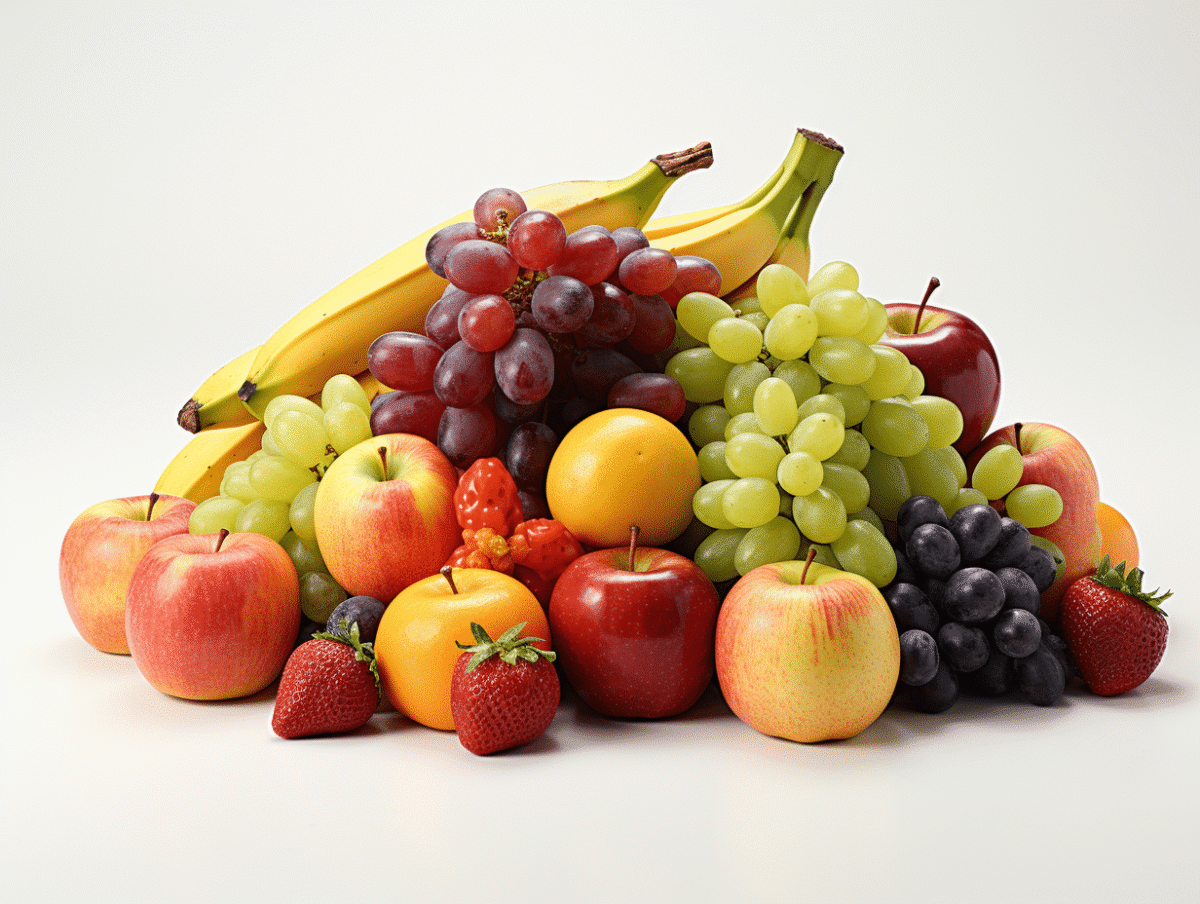
Diet plays an essential role in maintaining good health, and fruits are cornerstones of any balanced diet. Rich in vitamins, minerals, and fiber, they are as varied as they are beneficial. However, each variety has its own nutritional characteristics, affecting our well-being in different ways. The effects of an apple are not the same as those of a banana on our body. Let’s take a closer look at the specific nutritional values of various fruits and how their consumption can impact our health, from boosting the immune system to preventing chronic diseases.
The Nutritional Benefits of Fruits by Color Category
Pectin, a fiber abundant in apples, is a natural gelling agent that helps control cholesterol levels and regulate blood sugar. An apple, a low-calorie food, is rich in flavonoids, antioxidants that protect our cells from damage caused by free radicals. The weight of an apple is a moderate asset for maintaining a balanced diet, with its contribution of vitamin C and vitamin K, and manganese.
Yellow or orange fruits, such as bananas, are particularly rich in potassium, which is beneficial for regulating blood pressure and preventing cardiovascular accidents. They also contain essential vitamins such as vitamin B6, vitamin B9, in addition to vitamin C, and minerals like manganese and magnesium. These nutrients work synergistically to support the optimal functioning of the nervous and muscular systems.
Citrus fruits, represented by oranges or lemons, are true concentrates of vitamin C, but they also offer a spectrum of B vitamins (B1, B5, B9), as well as calcium and copper. These components play a key role in strengthening the immune system, thinning the blood, and combating constipation. Antioxidants such as the flavonoids found in lemons provide additional protection against cardiovascular diseases and certain types of cancer.
Red fruits like blueberries have a high antioxidant capacity due to the presence of flavonoids, powerful antioxidants that can help prevent cardiovascular and neurodegenerative diseases and protect neuronal health. Apricots, rich in fiber and vitamin A, along with phenolic compounds and carotenoids, complete this picture by playing a role in the prevention of cancers and cardiovascular diseases, as well as in appetite control and type 2 diabetes.

Impact of Fruits on Health and Consumption Recommendations
Nutritional studies establish a direct link between regular fruit consumption and the prevention of chronic diseases. For example, an apple a day is associated with a reduced risk of cardiovascular diseases and acute coronary syndrome. The richness in soluble fiber and antioxidants of this fruit contributes to a healthy cardiovascular system and better metabolic regulation.
Bananas, with their high potassium content, are recognized for their ability to regulate blood pressure and reduce the risk of cardiovascular accidents. Their fiber content promotes regular bowel movements, thus limiting the risks of stomach ulcers, chronic diarrhea, and certain types of cancers, such as those of the kidney and colorectal.
As for citrus fruits like oranges and lemons, their high content of vitamin C and phytochemical compounds promotes a robust immune system, combats constipation, and reduces the risks of certain types of cancers. Kiwis are also to be favored for their cardioprotective potential and their contribution to the prevention of cardiovascular diseases. Regular consumption of these colorful fruits is therefore a health-promoting gesture to encourage, ensuring a variety of types and colors to benefit from a complete palette of essential nutrients.