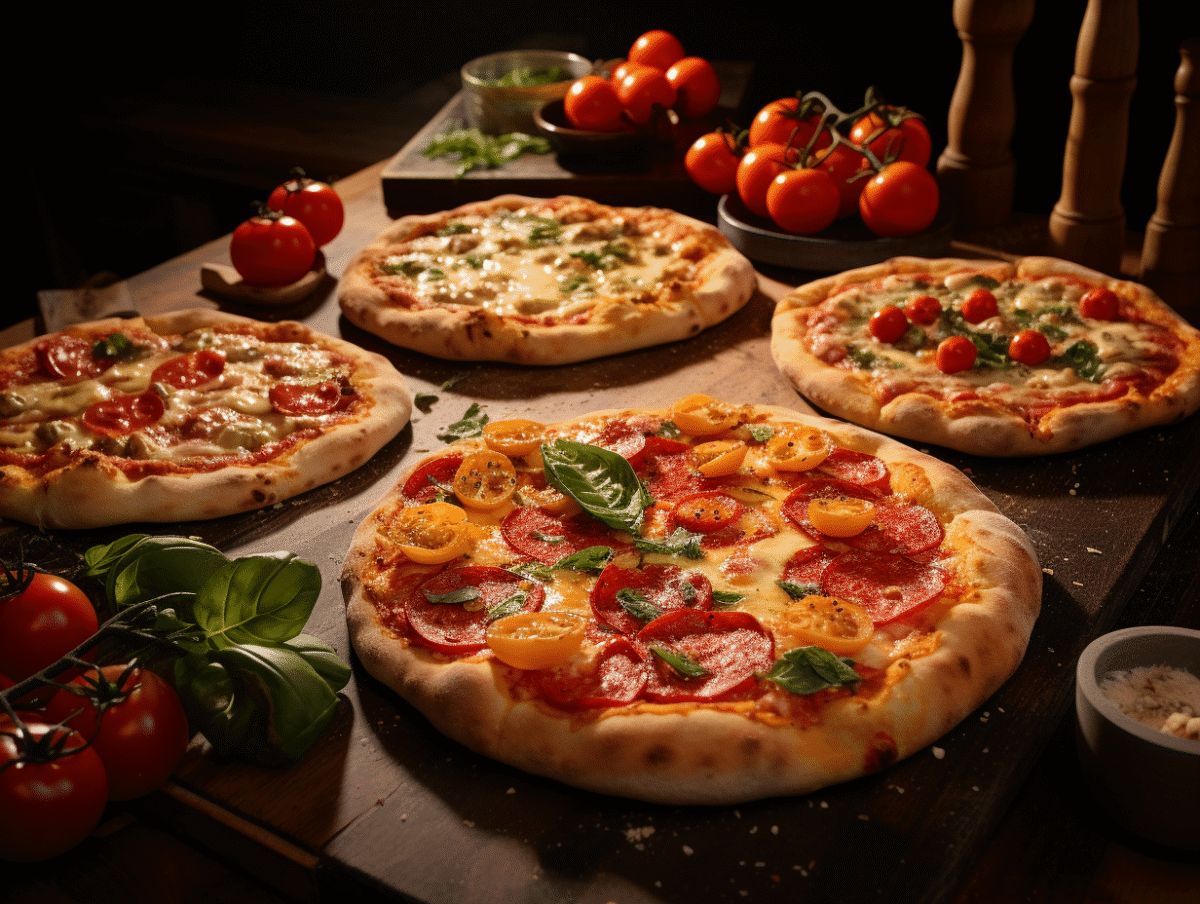
Choosing the perfect pizza is an art that requires considering various criteria. Personal tastes, special occasions, and the number of guests are key elements to consider. The selection starts with the base: a thin crust for those who love crunchiness, or thick for those who prefer a soft center. The choice of toppings comes next, balancing flavors and textures. The size of the pizza is fundamental: small for solo tasting, medium for a meal for two, or large for a group. A comparison of sizes allows for evaluating the best quantity-price ratio.
The essential criteria for choosing the perfect pizza
The quality of the ingredients is crucial in crafting an exceptional pizza. Neapolitan pizza, elevated to the rank of culinary art, exemplifies this requirement with its vera pizza napoletana label. Italian type 00 flour, with a minimum W of 250, fresh yeast, tap or bottled water, and sea salt are the basic components. These ingredients are selected for their quality and adherence to traditions, ensuring the authenticity of the flavors.
The oven used is another criterion not to be overlooked. Whether it’s a wood-fired, electric, or gas oven, the goal is to reach high temperatures, essential for the perfect cooking of a Neapolitan pizza. The ability of the equipment to maintain consistent heat and distribute it evenly is vital for achieving a perfectly cooked crust, with that golden and airy crust so sought after.
The manufacturing protocol follows precise steps and traditional know-how. From mixing to kneading, from proofing to shaping, each moment of the process is fundamental. The proofing time varies from 8 to 48 hours, influencing the texture and taste of the dough. Shaping, followed by the skillful use of the pizza peel, are finishing gestures that require dexterity and experience.
The size of pizzas at Domino’s or any other restaurant, adheres to standards that may differ from traditional criteria. For a Neapolitan pizza, the dimensions are usually defined by protocols, but in a commercial setting, the variety of sizes offers options suited to each situation, whether for an individual meal or a pizza party. Choosing the right size is therefore a matter of circumstance, appetite, and, undeniably, sharing.
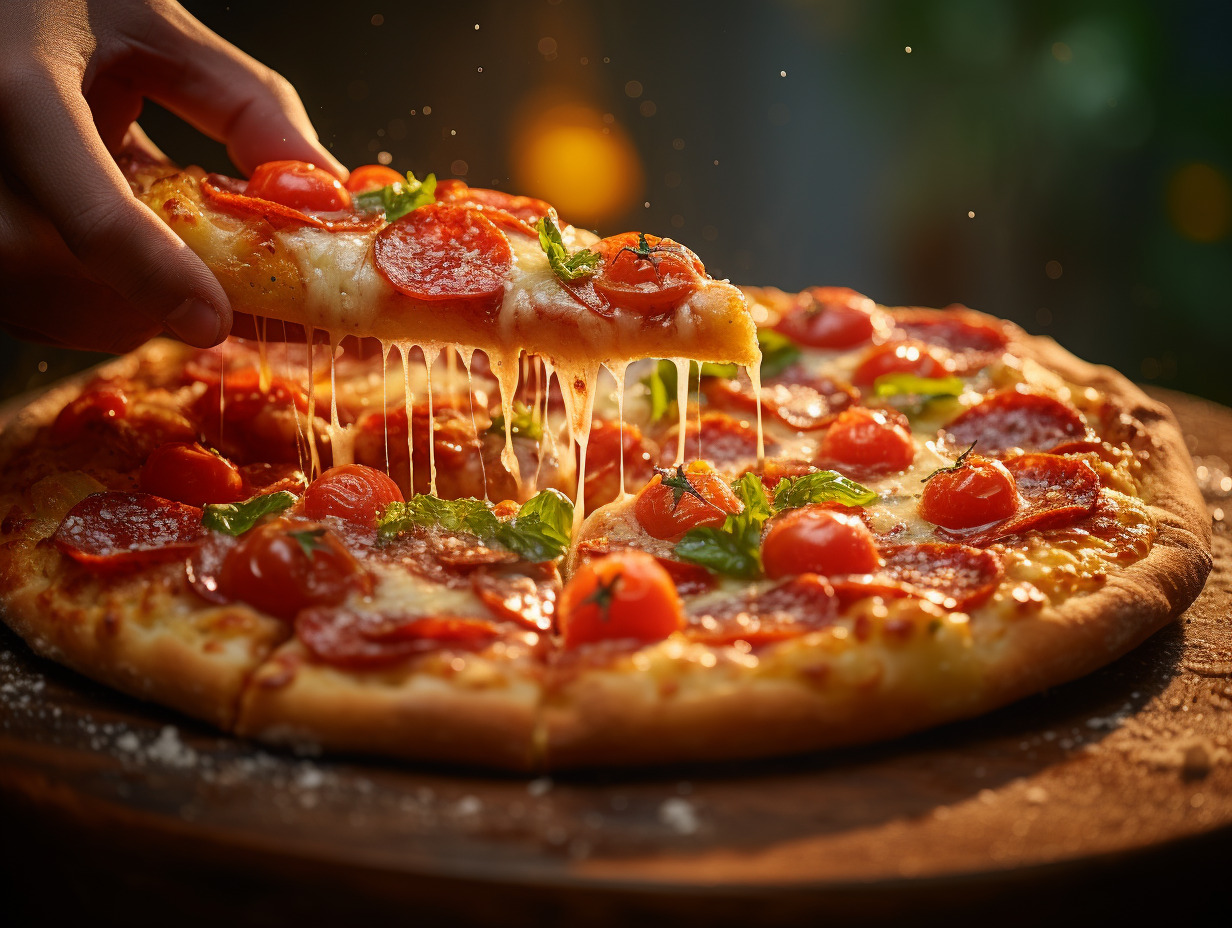
Comparison of pizza sizes: advantages and disadvantages
The individual pizza, often with a diameter of 20 to 25 cm, is ideal for personal consumption. Its small size allows for quick and even cooking, ensuring a crispy crust and a melting topping. However, it limits the variety of flavors and ingredients that can be used, thus confining the tasting experience to the essentials.
When appetite grows and guests multiply, the medium pizza, measuring between 30 and 35 cm in diameter, presents itself as a compromise. It offers enough surface area to diversify flavors and satisfy two to three people. Mastering the cooking requires attention and precision, as the edges may cook faster than the center.
The large pizza, with its 40 cm or more, is made for gatherings and festive events. Its generous size allows for combining multiple ingredients, thus offering a varied taste experience. It requires an oven capable of maintaining high and consistent heat to avoid uneven cooking. Handling it can be complex, especially during baking and removing from the oven, challenging the skill of the pizzaiolo.
The extra-large pizza, often exceeding 50 cm, is an option for large tables. It transforms the meal into a collective experience, where everyone shares the same pie. The challenge here is technical: the imposing surface demands an even distribution of ingredients and strict control of the oven temperature to ensure optimal cooking from the crust to the center of the pizza.